
RDF Waste Shredder Machines for Controlled Fuel Preparation
Refuse derived fuel is prepared from the combustible fraction of waste. Size reduction is central to making that fraction usable, and the shredding stage is where most of the work happens.
Technical Summary
Processing objective: Controlled reduction of the dry combustible fraction to a fuel size the offtaker can accept.
Starting duty category: Medium Duty
Representative model: AIS-DS-75-H150-P
Indicative input range: 200–250 mm
Indicative output requirement: Below 80 mm
Main selection concern: Variation in stream composition and moisture content.
Material restriction: Material should be dry. Oversized foreign metal must be removed before feeding.
Material Overview
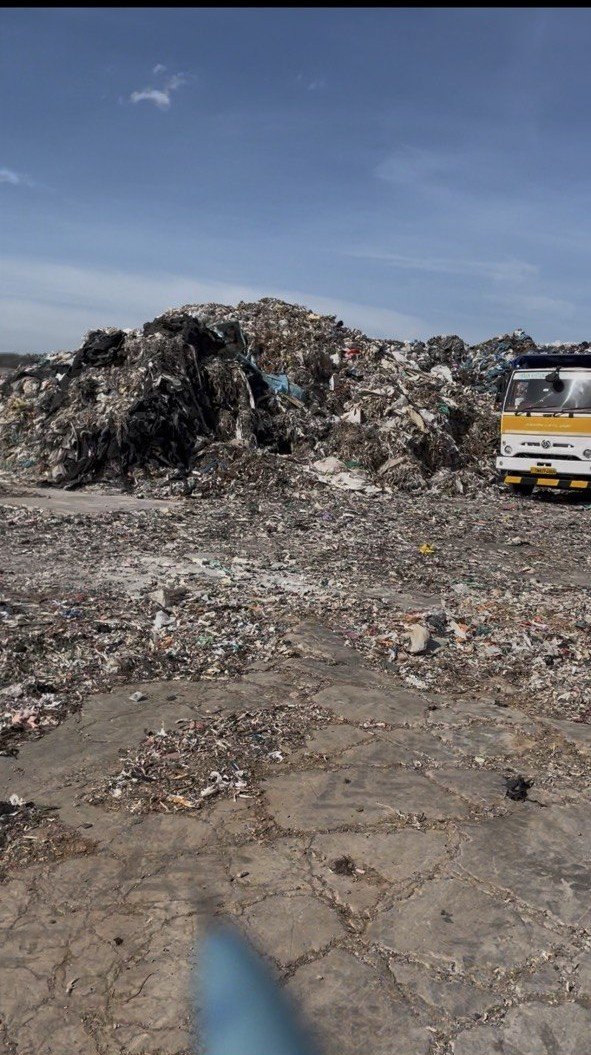
RDF is produced by recovering the dry, combustible part of mixed waste and reducing it to a form that a fuel user can handle. The incoming stream typically contains paper, card, textiles, wood, film and rigid plastics in varying proportions, along with whatever contamination survived earlier sorting.
Because RDF composition changes with the source of the waste, no two RDF lines behave identically. A stream dominated by film and textiles presents a different engineering problem from one carrying a high proportion of rigid plastic and wood, which is why we configure each machine against the actual stream.
Why Size Reduction Is Required
Size reduction is rarely the goal in itself. It is normally there to make the next stage work.
Waste Handling Considerations
Composition varies
The proportion of film, textile, wood and rigid plastic changes with the source. Describe the mix as it actually arrives rather than as it should arrive.
Moisture
Material should be dry. Damp feed behaves differently in the cutting zone and through downstream handling, particularly where textiles are present.
Contamination
Metal, glass and stone commonly survive earlier sorting. Oversized foreign metal must be removed before feeding.
Two stage layouts
Many RDF lines use a primary reduction stage followed by a secondary stage to reach the final specification. Whether one or two stages are needed depends on the target size.
Feed control
Steady feeding gives a more even output than large intermittent drops of material.
Configuring the Machine for RDF Work
Medium duty is the normal starting category for RDF preparation, with AIS-DS-75-H150-P as a representative primary model where input runs around 200 to 250 mm and the target output is below 80 mm. Where a finer or more consistent fuel size is required, a secondary machine follows the primary stage.
Continuous production from unsorted incoming waste, or streams containing bulky items, moves the configuration towards the heavy duty range. Small-scale trial work on an already sorted stream can sit in light duty. Final configuration follows technical assessment.
Mixed waste may contain incidental contaminants, but their type, size and frequency must be disclosed during selection. Oversized metal, stone and prohibited foreign objects should be removed before feeding unless explicitly approved for the agreed machine configuration.
Questions We Are Usually Asked
Related Equipment
Send Us Your RDF Waste Requirement
Describe the material and how it arrives at the machine. Photographs help more than anything else.


