
Light Duty Double Shaft Shredder
The Light Duty range is intended for lower-volume, sorted or relatively consistent materials and intermittent operating requirements.
Category introduction
The Light Duty range is intended for lower-volume, sorted or relatively consistent materials and intermittent operating requirements. Applications may include small plastics, hard-plastic offcuts, selected electronic items and controlled trial processing, subject to application review.
This category is defined by the working pattern as much as by the material. Hard plastics are well within its scope where volumes are moderate and feed is controlled. What it is not engineered for is continuous running on bulky, unsorted or heavily contaminated waste, which is where the medium and heavy-duty ranges start.
Light duty is not a soft-material category. It is a controlled-feed category: the material can be hard, provided volumes are moderate and what enters the machine is known.
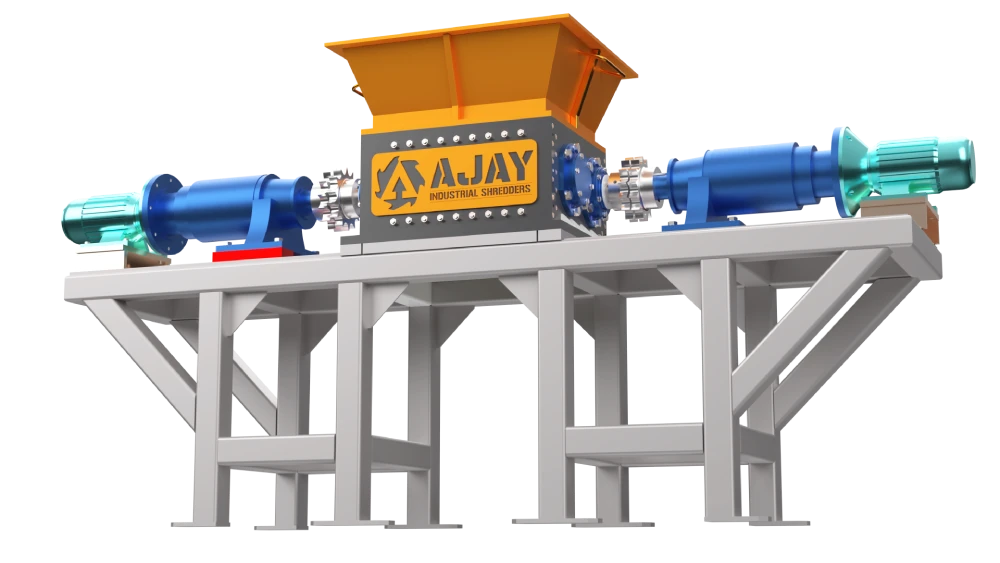
Light Duty Models
Every throughput figure below is indicative. Final specifications follow application review and approved technical drawings.
|
Model |
Stage |
Motor |
Total HP |
Indicative throughput |
Typical application |
Shaft speed |
|---|---|---|---|---|---|---|
|
AIS-DS-4-H8-P |
Primary |
4 HP × 2 |
8 |
100–200 kg/h |
Lab and small-plastic requirements |
20–25 RPM |
|
AIS-DS-4-H8-S |
Secondary |
4 HP × 2 |
8 |
50–150 kg/h |
Small plastics |
25–30 RPM |
|
AIS-DS-5-H10-P |
Primary |
5 HP × 2 |
10 |
300–400 kg/h |
Hard plastics |
25–30 RPM |
|
AIS-S-10-H10 |
Single Shaft |
10 HP |
10 |
300–400 kg/h |
Hard plastics |
25–30 RPM |
Capacities are indicative and depend on material composition, density, moisture, contamination, input size, cutter configuration, feeding consistency, and operating conditions. We confirm final specifications after application review, trial material or site assessment (where required), and approved technical drawings.
Suitable Waste Material Types
Materials commonly configured for this range. Suitability depends on the actual feed, so we review each requirement before confirming a model.
Small plastics
Trimmings, sprues, small mouldings and rejected parts from in-house production.
Hard-plastic offcuts
Rigid sections and hard-polymer offcuts in controlled volumes, based on wall thickness and piece size.
Selected electronic items
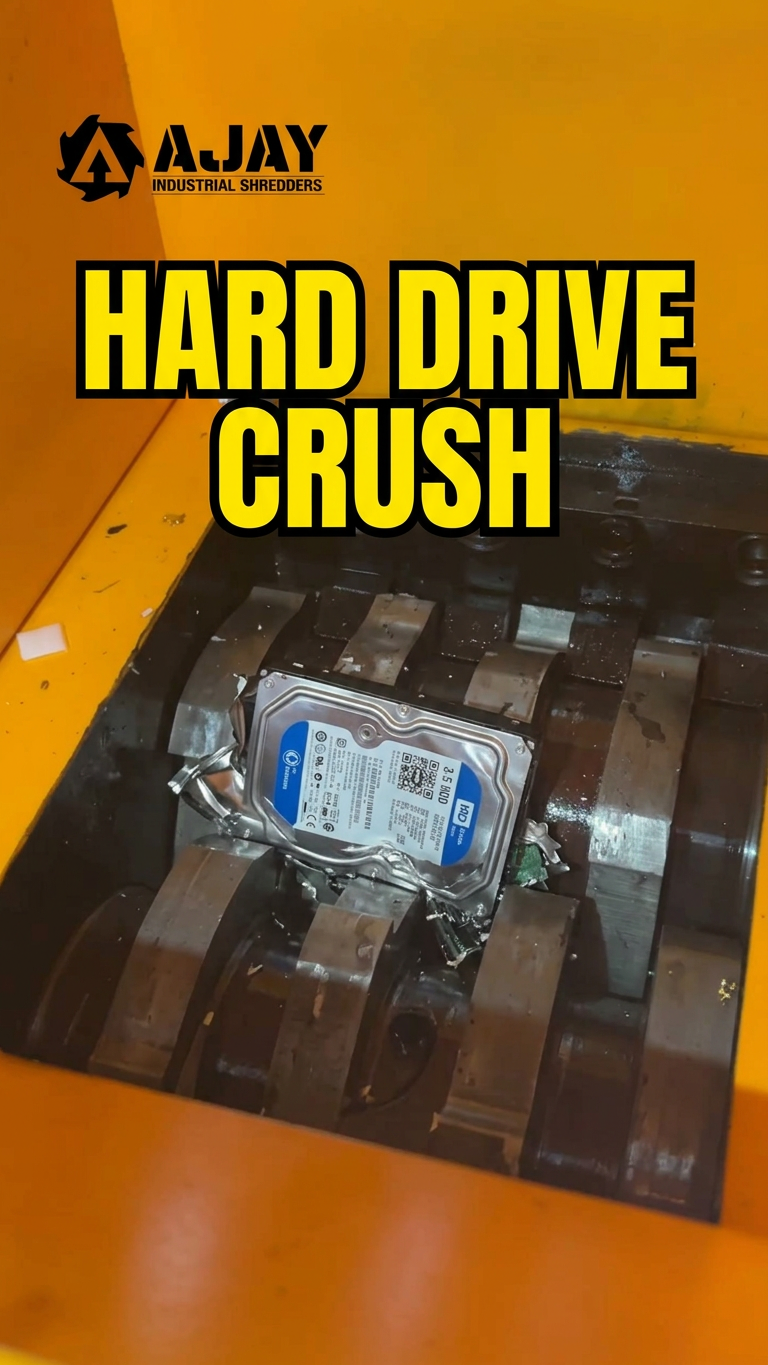
Smaller electronic assemblies and housings, subject to what the items contain and to the restrictions on batteries and sealed cells.
Controlled trial processing
Trial and pilot work where a stream is being characterised before a full-scale machine is engineered.
Light packaging and card
Dry packaging waste for volume reduction, where the stream is already sorted.
Typical Application Conditions
The light duty range tends to fit sites where the following hold true.
Configuration Considerations
Disclose contamination
One stray metal fitting in an otherwise clean stream changes the configuration. If contamination is possible, tell us at the enquiry stage so we can engineer for it.
Plan for growth
If your volume is likely to double within a year, configuring for today’s throughput often costs more in the long run than starting one category higher.
Feed discipline
Light duty machines reward consistent feeding. Where operators are likely to overload the hopper, a heavier configuration is worth discussing.
Downstream use
If the output feeds a granulator or separator, that second stage may set the requirement rather than the shredder itself.
Primary or secondary
Some models in this range are built as primary machines and others as secondary refining machines. Which one applies depends on where the shredder sits in your process.
Why the Application Review Comes First
The light duty range has the narrowest comfortable operating window of the three. It performs well within the conditions it was engineered for and struggles outside them, which makes an accurate description of the material and the working pattern especially important.
Send us a photograph of the waste, tell us roughly how much of it you handle in a day and describe how it will reach the machine. That is usually enough to identify a starting model, subject to material review.
Mixed waste may contain incidental contaminants, but their type, size and frequency must be disclosed during selection. Oversized metal, stone and prohibited foreign objects should be removed before feeding unless explicitly approved for the agreed machine configuration.
Related Waste Applications
Other Equipment Categories
Discuss Your Shredding Requirement
Tell us what you need to reduce and how the material reaches the machine. We will engineer the configuration around it.


